
Welcome Bonus
150% up to $700
Boost your bankroll from day one with an extra-large match
BonusThe contemporary digital landscape is inundated with a multitude of gaming options, each vying for attention and promising unparalleled entertainment experiences. Among these, Generic 30 has emerged as a notable contender, drawing attention not only for its engaging gameplay but also for its potential in demos and simulations. This page delves into the intricacies of Generic 30, providing a thorough analysis poised to benefit those interested in utilizing it for demo applications.
As interest in simulation-based gaming and demo applications surges, understanding Generic 30's relevance has become paramount. From its foundational elements to its advanced deployment techniques, this comprehensive guide covers every aspect, offering insights that marry technical know-how with strategic applications of demo keyword approaches.
Welcome Bonus
Boost your bankroll from day one with an extra-large match
BonusWelcome Bonus
Spin for free and get your deposit matched instantly
BonusWelcome Bonus
Double your first top-up and start with a bigger playroom
BonusGeneric 30 is a concept that marks a significant niche within the realm of game demos, allowing users to experience the essence of software without full commitment. Its importance cannot be understated as it offers a low-risk platform for both developers and players to evaluate game potential. The adaptability of Generic 30 makes it ideal for demo keyword applications, offering a versatile prototype platform.
Understanding Generic 30 begins with its design principles—focused on providing an accurate yet condensed version of a full application. This basic framework ensures that potential users or stakeholders can grasp core functionalities and user interface dynamics, critical for making informed decisions. In today's fast-paced technology world, Generic 30 serves as an indispensable tool to gain preliminary insights without the immediate need for large investments.

The core of Generic 30 lies in its streamlined architecture, designed to offer a well-rounded glimpse into the full application. At its essence, it condenses the main features and mechanics into a scaled-down version that remains true to the source.
This trimming process involves algorithmic reductions and design simplifications that preserve key functionalities, thereby ensuring users get a full-fledged demo experience. Through these demos, users can effectively assess product value and potential integration capabilities.
Primarily, developers and companies poised at the forefront of technology benefit greatly from the strategic use of Generic 30. It opens doors to early feedback, allowing for agile development processes.
Players also garner benefits, as they receive an opportunity to test games firsthand before deciding on potential investments, thus minimizing buyer's remorse in gaming purchases.
To effectively implement Generic 30 in your demo strategy, follow these steps:
By following these structured steps, you ensure the demo provides maximum value to all stakeholders.
These key benefits underscore the utility of Generic 30:
The roots of Generic 30 can be traced back to the growing demand for accessible, user-friendly demo versions in the evolving digital market. Initially born out of necessity, it aimed to bridge the gap between full applications and hopeful users eager to explore without commitment.
This evolution has seen Generic 30 adapt and flourish within the confines of diverse technological parameters, enhancing its relevance as both a marketing tool and an educational aid for potential users of all kinds. The historic trajectory of Generic 30 reflects broader shifts in user expectations and application needs. In an age of instant gratification, its rapid deployment ensures ongoing relevance.

Over the years, Generic 30 has witnessed several key developments that have defined its growth trajectory. Starting as a basic framework for game demos, it soon expanded to cater to a wide variety of software applications.
These milestones include the introduction of customizable templates, enhanced user interfaces, and sophisticated analytics tools that allow developers to track user behavior and optimize future iterations.
The rapid acceptance of Generic 30 by developers and users signifies its invaluable role in modern demos. Adaptations over the years cater to specific industry needs, ensuring sustained interest and practical applications.
As a flexible platform, Generic 30 has seamlessly integrated advanced functionalities like AI-driven recommendations and cloud-based access, setting it apart from traditional demo offerings.
| Year | Development | Impact |
|---|---|---|
| 2012 | Introduction of Generic 30 | Laid the foundation for demo protocols |
| 2016 | Integration of templates | Allowed customizable demos |
| 2018 | Analytics tools launch | Enhanced user behavior tracking |
| 2020 | Cloud-based access | Facilitated broader user reach |
Generic 30 stands out for its array of cutting-edge features and benefits that underpin its significance in demo applications. Focused on modular design, the framework allows users to access applications with unmatched efficiency and clarity.
The structured feature set of Generic 30 enhances both user engagement and practicality. Its adoption provides definitive advantages when exploring demo keywords, offering clarity in real-time interaction and comprehensive insights into potential upgrades or full-scale implementation.
At the heart of Generic 30 are features crafted to maximize demo keyword applications' effectiveness. These include seamless user interfaces, robust back-end support, and dynamic content adjustment based on user input.
Developers who leverage these features gain access to unmatched customization options that ensure demos remain both engaging and informative. As demo expectations rise, these distinctive features position Generic 30 as an industry leader.
When integrated into demo applications, Generic 30 offers a distinct competitive edge. The platform's flexibility ensures that users experience game mechanics and interface usability without unnecessary complexity.
Additionally, its cost-effectiveness ensures businesses can scale operations and offer free trials without proportional expense, providing a sustainable financial model that supports rapid prototyping and user validation.
Implementing Generic 30 in a demo strategy requires a structured and well-conceived approach tailored to the application's target audience. By understanding technical requirements and expected user interactions, developers can create demos that resonate with their clients.
The process begins with identifying key objectives and aligning them with Generic 30’s capabilities. As part of demo keywords, this strategic alignment ensures that the editions produced not only showcase the strengths of the application but also deliver a smoothly executed plan of action.
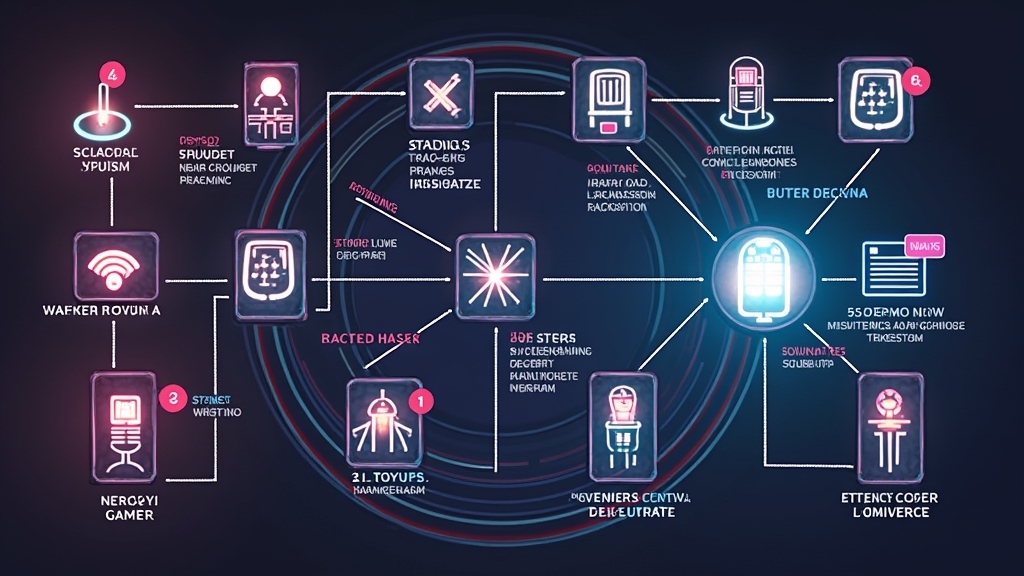
Successful deployment of Generic 30 requires a few critical steps. First, determining the scope of the demo, including specific features and functionalities, is imperative.
Next, developers should streamline their coding practices to align with Generic 30's modular framework. This involves iteratively testing various elements to ensure user experience excellence is achieved.
One common pitfall in demos is overloading the platform with too many features, leading to poor performance. Developers should focus on core mechanics essential for user experience.
Additionally, inadequate assessments of target audiences can lead to misdirected demo data—knowing your audience is key to customizing the storyline and features that the Generic 30 platform provides.
While Generic 30 offers robust solutions for demo applications, it is not without challenges. Developers need to navigate potential hurdles with keen foresight to maintain the value offered by the demo framework. These challenges, if left unaddressed, can undermine the advantages the Generic 30 platform provides.
Acknowledging potential roadblocks in advance prepares developers to counteract these issues, preventing unnecessary delays and optimizing demo performance. It is critical to foresee challenges in demo keyword applications to devise effective solutions that ensure smooth deployment and continuous user satisfaction.

Some of the prominent challenges include technical limitations in software capabilities, especially when demos demand heavy computational resources.
Another common issue is ensuring cross-platform compatibility, where seamless operation across varying devices and operating systems proves crucial to demo success. These technical hurdles need early identification to ensure a smoother Glidepath to implementation.
Addressing these challenges involves customizing demo parameters per project requirements. Implementing lightweight frameworks and investing in cloud-based services minimizes resource-heavy technical constraints.
Additionally, developing adaptive modules that align with Generic 30 enhances cross-platform operability, creating smarter demos that offer unmatched user experiences without incurring excessive costs.
Taking Generic 30 beyond basic applications involves leveraging advanced techniques that optimize demos for maximum efficiency and user engagement. By tapping into deep analytical insights, developers can refine their strategy, ensuring demo keyword features reach their full potential.
Incorporating such sophisticated tactics enables not only an improved demonstration experience but also smoother transitions for users keen on exploring the full scales of the game. This focus on optimization ensures that the demo's performance aligns with the industry's leading standards.
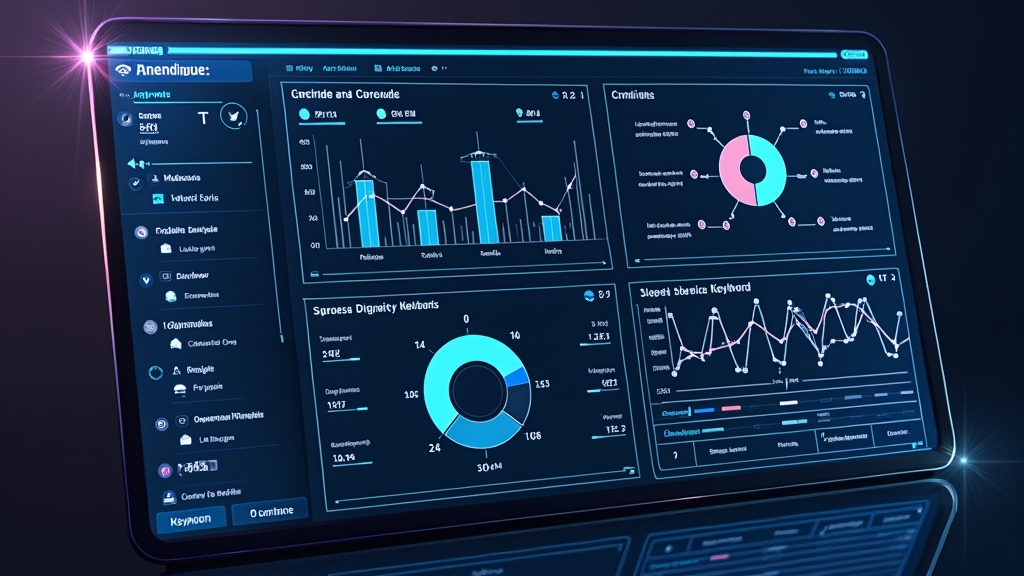
One of the advanced techniques involves the use of sophisticated data analytics to optimize user interactions. By capturing and analyzing user behavior, developers can implement precision modifications that yield higher engagement.
Such data-driven adaptations transform Generic 30 from a standard demo tool to a highly interactive suite that realigns developer objectives with actual user requirements, promoting sustained user interest.
User feedback constitutes one of the most powerful tools at a developer's disposal. Through interactive feedback loops, developers can gather crucial insights that aid in continuously optimizing the demo experience.
The incorporation of user feedback helps to dynamically adjust features and address pain points, encouraging more coherent and user-centered demo strategies that culminate in better end-user satisfaction.
Case studies serve to illuminate the real-world impact and efficacy of Generic 30 within varying contexts. From reshaping product testing to enhancing marketing strategies, these success stories offer pivotal insights into how the platform elevates demo applications to new heights.
Carefully analyzed examples demonstrate the platform's widespread adaptability, showing its capability to foster demo keyword optimization in real business scenarios. By understanding these stories, readers gain tangible evidence of Generic 30's transformational effects in demo strategies.

In the realm of product testing, Generic 30 has markedly improved the efficacy of dummy platforms, reducing errors and fostering more responsive design processes. The agile environment it offers significantly enhances iteration cycles.
One notable case study involved a startup optimizing their product's user interface, realizing accelerated growth and user acceptance by leveraging Generic 30's adaptable framework.
Marketing benefits exponentially from demonstrating product capabilities, and Generic 30 has proven successful in driving user engagement metrics. By offering polished demos, brands have enjoyed better conversion rates.
A striking case involved a tech firm using Generic 30 to showcase complicated features of a new software, leading to a 20% increase in user outreach through strategic demo placements.
The ever-evolving demo space continues to adapt, with Generic 30 positioned to lead future advancements. With technology advancing at rapid rates, these trends predict a more immersive and seamless interaction within the demo scene.
As more companies recognize the potential Generic 30 brings to different fields, the scope for innovation in demo applications expands significantly, encouraging trailblazing approaches and creative experimentations that drive continued user engagement and satisfaction.

Anticipated advancements include deeper 3D integration and AR interactions, promising users immersive and interactive demo experiences that exceed traditional two-dimensional offerings.
These innovations pave the way for pioneering demo niche frontiers that encompass a fully connected and intelligent ecosystem. The cross-industry application of these advancements is set to transform user expectations significantly.
Future trends predict features like real-time adaptive environments driven by AI and enhanced UI/UX craftsmanship as standard for Generic 30 demos. Users can look forward to customized experiences finely tuned to their preferences.
The future scope relies heavily on fostering greater integration with emerging technologies like blockchain, providing secure and transparent demos that allow users an immersive and trust-enhanced experience.
Advantages
Drawbacks